Skip to content
Vintage
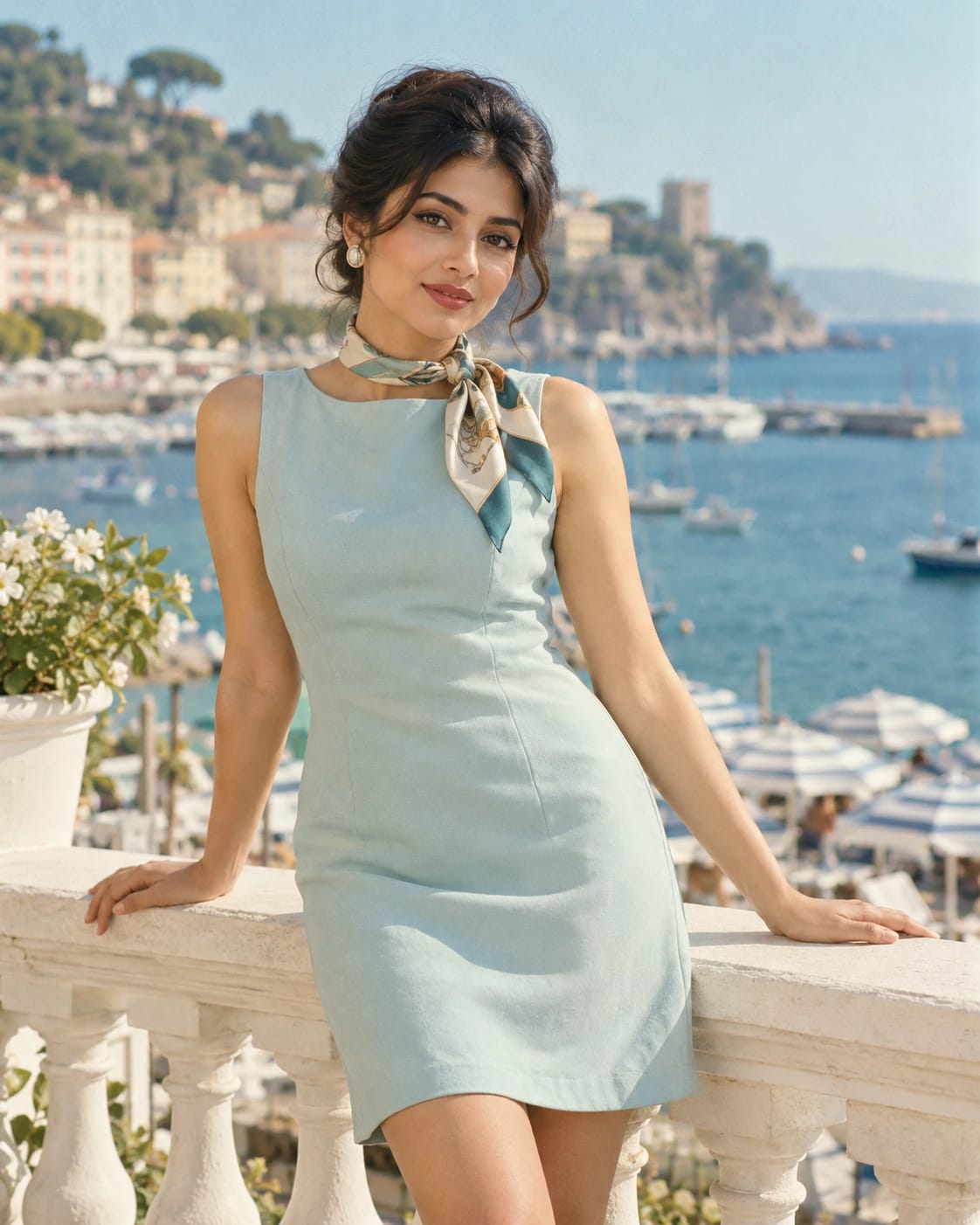
1960s Riviera Fashion Portrait – AI photo made with ChatGPTMade with ChatGPT

1960s Riviera Fashion Portrait

A vintage coastal fashion portrait with soft 1960s magazine colours.

PROMPT

Use my uploaded photo/photo(s) as the only identity reference for the person. Preserve the real face, age, skin tone, hairstyle, body build, facial proportions and unique identifying features with the highest possible accuracy. Create an ultra-realistic high-quality photographic image in a vertical 4:5 aspect ratio, following this specific concept: 1960s Riviera Fashion Portrait. Composition and Pose Show the woman leaning lightly against a white seaside balustrade, framed from mid-thigh upward. Keep her face visible toward the camera and her hands relaxed on the railing. Put a blurred harbour and striped umbrellas in the distance, leaving the composition clean and free of historical brand logos. Clothing, Materials and Styling A modest pastel shift dress and a narrow silk scarf tied loosely at the neck. Background and Lighting Warm coastal daylight, faded turquoise tones and subtle analogue grain with clear facial detail. Identity Preservation — Highest Priority Every face must remain immediately recognisable as the same person in the uploaded reference. Accurately preserve: - Exact face shape, forehead, hairline and facial proportions - Eyebrows, eye shape, eyelids, eye spacing and gaze direction - Nose shape, lips, cheeks, ears, jawline and chin - Facial hair, freckles, moles and other distinguishing details - Real age, skin tone, body build and natural asymmetry - Realistic skin texture and individual identity Do not beautify, reshape, slim, widen, age, de-age, blend, replace or reinterpret a face. Do not mix features between subjects or use generic model faces. Preserve the original hairstyle and hair texture. Keep any makeup subtle and consistent with the real features. In group scenes, maintain the correct count, reference-to-person mapping and believable height relationships. Quality and Finish Maintain clear focal separation, natural scale, correct perspective and consistent illumination throughout the image. Keep anatomy and object construction believable. Render the main subject sharply while allowing only the intended background softness. Preserve subtle detail rather than using excessive sharpening or heavy smoothing. Make the overall visual feel cohesive, carefully composed and suitable for the stated use. Avoid: extra people, extra limbs, missing fingers, fused hands, impossible joints, facial mismatch, covered eyes, blurry faces, exaggerated expressions, plastic skin, busy foregrounds, watermarks and unwanted text. Keep only the text and people explicitly requested in this composition.

Works withChatGPTGeminiMidjourneyFlux

How to use

  1. 1Open ChatGPT or Gemini and upload a clear photo of yourself.
  2. 2Paste the prompt and send it.
  3. 3Not quite right? Ask for small changes, like “warmer light”.

Get new prompts on WhatsApp

New tested prompts every week, straight to your phone.

Join (opens in a new tab)

How to use

  1. 1Open ChatGPT or Gemini and upload a clear photo of yourself.
  2. 2Paste the prompt and send it.
  3. 3Not quite right? Ask for small changes, like “warmer light”.

Get new prompts on WhatsApp

New tested prompts every week, straight to your phone.

Join (opens in a new tab)

About this prompt

What this prompt creates

This prompt creates a vintage coastal fashion portrait inspired by soft 1960s magazine photography. A modest pastel shift dress paired with a narrow silk scarf gives the subject a refined retro look without feeling overly styled. Warm coastal daylight, faded turquoise tones and subtle analogue grain create a nostalgic editorial mood while keeping the face clear and recognisable. The 4:5 composition works especially well for fashion portraits, so review the crop before switching to another format.

Tips for the best result

  • Use a sharp, evenly lit reference photo that clearly shows the full face and hairline.

  • Avoid using a heavily filtered image as the only identity reference.

  • Choose a reference with natural skin tones and clear eye detail.

  • Keep the analogue grain subtle so it does not soften the eyes or important facial features.

  • If the vintage effect becomes too strong, ask for cleaner skin detail and reduced film texture.

  • Check the first result carefully for face accuracy, fabric detail, natural colour balance and any unwanted elements.

Variations to try

  • Try a monochrome fashion version with a simple dark dress.

  • Use softer peach and cream tones for a warmer retro magazine feel.

  • Keep the same coastal setting but reduce the film grain for a cleaner editorial result.

  • Change one instruction at a time so you can clearly compare how the palette, styling or vintage treatment affects the portrait.

Where to use it

This concept works well for retro fashion galleries, vintage profile images and editorial concept boards. Keep an uncropped master version and create separate exports for social media or print. Review facial detail, fabric edges and analogue texture at the final display size, since a good thumbnail does not always guarantee that every detail is fully usable.
More like this

More in Retro →